Conception: AI Workspace Website
- SaaS Marketing Website
- Product Showcase
- Conversion-Driven Design
- Brand & Visual Identity
Industry
SaaS
Team
1 member
Launched
2025
Country
India
About the Project
Conception set out to build more than a product website, it needed a strategic growth asset.
As an emerging AI-powered knowledge workspace, Conception operates at the intersection of AI chat, note-taking, and research tools, a rapidly expanding but highly competitive category. The challenge was not just explaining features, but clearly articulating why Conception represents a new model for organizing knowledge in the age of AI.
The marketing website needed to:
- Position Conception beyond "just another AI chatbot"
- Differentiate it from traditional note-taking tools
- Communicate its citation-backed AI advantage
- Appeal to knowledge workers, researchers, students, and intellectually curious users
- Convert traffic into free users while creating a clear upgrade path to paid plans
The core objective was to translate a sophisticated AI platform into a compelling, investor-ready narrative, one that demonstrates category awareness, product clarity, and scalable SaaS growth potential.
The Challenge
- Position Conception as a category-defining AI workspace, not just another AI chatbot or note-taking tool
- Translate advanced capabilities like citation-backed AI answers, graph-based knowledge mapping, and modular content architecture into clear, benefit-driven messaging
- Design a conversion-focused funnel that drives high-intent free signups while clearly demonstrating the upgrade value of Pro and Premium tiers
- Build a fast, scalable, SEO-ready marketing platform aligned with long-term SaaS growth and investor expectations
Our Approach
- Conducted strategic competitive analysis across AI chat platforms, knowledge management systems, and high-growth SaaS websites to identify positioning gaps
- Crafted a feature-led narrative that visually demonstrates product differentiation through interactive UI mockups and video walkthroughs
- Designed a structured information architecture with intentional CTA placement to guide users from awareness to activation
- Developed the site using Next.js with server-side rendering, CDN-backed asset delivery, and performance optimization for speed, reliability, and scalability
The Results
- Delivered a high-performance marketing platform with 100% uptime
- Established a frictionless acquisition funnel supporting freemium adoption and paid plan conversion
- Launched a fully responsive, accessibility-conscious experience with semantic structure and optimized media delivery
- Created a scalable foundation for ongoing growth, including structured pricing, changelog transparency, and resource expansion
Business Challenges
Operating at the intersection of AI chat, knowledge management, and research tools, Conception entered a rapidly expanding yet highly competitive market. The company needed to clearly articulate its differentiated value while building trust, driving adoption, and establishing a scalable SaaS growth model.
Competing against well-funded and deeply entrenched platforms such as Notion, Obsidian and Perplexity, each already commanding strong brand recognition and loyal user bases
Defining a new category position: not just an AI chatbot, and not just a note-taking app, but a unified AI-powered knowledge workspace
Educating users on sophisticated capabilities like citation-backed AI answers, graph-based knowledge visualization, stacked tab workflows, and modular document architecture, without overwhelming first-time visitors
Building credibility and trust in the absence of traditional early-stage social proof (no customer logos, testimonials, or published user metrics at launch)
Designing a freemium conversion model that demonstrates immediate value in the free tier while clearly incentivizing upgrades to Pro and Premium plans
Balancing technical depth with minimalist, accessible messaging to appeal to both power users and mainstream knowledge workers
Creating a scalable marketing foundation capable of supporting long-term SEO growth, product expansion, and future investor visibility

Challenges & Solutions
Key challenges we addressed and the solutions we delivered.
Market Differentiation
The AI and knowledge management space is crowded with established players. Conception needed to clearly differentiate from Notion, Obsidian and Perplexity without explicitly naming competitors.
Strategic Positioning Through Features
We crafted messaging that highlighted unique capabilities: 'Your curiosity deserves more than a chatbox' positioned against generic AI chat, while showcasing citation-backed answers, graph view, and stacked tabs as differentiators. The feature-first approach let the product speak for itself.
Complex Feature Communication
Features like 'citation-backed AI search,' 'graph-based knowledge mapping,' and 'modular content blocks' are powerful but abstract. How do you make these tangible for first-time visitors?
Show, Don't Tell
We implemented video demonstrations for each major feature, interactive sidebar mockups showing real use cases and product screenshots with contextual annotations. Visual proof replaced marketing jargon.
Conversion Without Trust Signals
The website launched without traditional trust elements: no customer logos, testimonials, user count metrics, or press mentions. Building credibility was challenging.
Product Transparency & Performance
We emphasized product quality through transparent pricing, a public status page showing 100% uptime, clear feature limitations on each tier, citation-backed AI as a trust differentiator, and technical excellence (fast load times, polished UI) as implicit credibility signals.
Freemium Conversion Optimization
The business model required converting free users to paid Pro and Premium tiers while keeping the free Basic tier attractive enough to drive initial signups.
Clear Value Laddering
We designed a pricing page with transparent feature differentiation: Basic tier offers real value to reduce signup friction, while Pro and Premium tiers clearly show upgrade benefits (better AI models, more citations, unlimited features) with monthly/yearly toggle showing 20% annual savings.
Main features
Hero Section with Interactive Mockup
The hero immediately communicates product value through an interactive mockup showing real hierarchical organization examples. Rather than relying on generic marketing copy, visitors see exactly how Conception structures knowledge, driving instant comprehension and reducing bounce rates.
Citation-Backed AI Search Showcase
A dedicated feature section demonstrates Conception's core differentiator: AI answers that cite source documents rather than hallucinating. Video demonstrations walk visitors through real queries, showing inline citations and source references that build trust in AI accuracy.
Graph View Knowledge Visualization
An animated walkthrough shows how Conception builds a visual graph of connected notes and documents. This feature resonates with power users familiar with tools like Obsidian, while introducing the concept accessibly to newcomers through clean motion design.
Tabbed Feature Deep-Dives
The organizational capabilities section uses a tabbed interface to progressively reveal depth: folders, tag management, stacked tabs, keyboard navigation, and full-text search. This pattern keeps the page scannable for casual browsers while offering detail to high-intent evaluators.
Transparent Pricing with Plan Toggle
A monthly/yearly billing toggle reveals a 20% annual discount, creating urgency without pressure. Each tier (Basic, Pro, Premium) clearly lists capabilities and limits so users self-select the right plan, reducing support load and improving conversion quality.
Design & Development Process
Discovery & Competitive Analysis
Market Research We began by analyzing the competitive landscape: ChatGPT and Claude for AI chat, Notion and Obsidian for knowledge management, and Perplexity for AI-powered research. This helped us identify Conception's unique positioning at the intersection of these categories.
Audience Definition Through stakeholder interviews and user persona development, we defined three primary audiences: knowledge workers seeking organized workflows, students and academics conducting research, and power users frustrated with disconnected tool ecosystems. This informed our messaging hierarchy and feature prioritization.
We also studied successful SaaS marketing websites to identify conversion best practices: clear value propositions, strategic CTA placement, transparent pricing, and trust-building elements.


Information Architecture & User Flow
Sitemap Design We structured the website into clear sections: Homepage (conversion-focused), Product pages (AI Features, Docs Features), Resources (Pricing, Changelog, Contact), Company (About, Brand), and Legal. This hierarchy supports both immediate conversion and long-term content growth.
Conversion Funnel Mapping The user journey was designed as: Landing → Hero positioning → Feature discovery (AI search, documents, workspace organization) → Deep feature exploration (folders, tags, keyboard navigation, graph view) → Pricing evaluation → FAQ objection handling → Final CTA. Each section builds intent and answers questions progressively.
CTA Strategy We placed 'Get Conception Free' CTAs at strategic points: hero section (immediate conversion), bottom of page (last-chance conversion), and a persistent 'Open app' button in the header for returning users. Pricing page includes tier-specific 'Get Started' buttons that route to either free signup or paid checkout.
Visual Design & Branding
Design Language We established a minimalist, intellectual aesthetic that reflects the product's focus on 'knowledge and curiosity.' The design uses clean typography, generous whitespace, and a dark color palette (#0A0F1E) that feels sophisticated without being intimidating.
Component System Built a reusable component library including: Hero sections (with background images and gradients), Feature cards (with video demonstrations), Tabbed sections (for deep-dive content), Pricing tables (with monthly/yearly toggle), FAQ accordions, and Product screenshot galleries with captions.
Responsive Strategy Designed mobile-first with breakpoints at 640px, 828px, 1200px, and 1920px. Key adaptations: hamburger navigation on mobile, stacked feature cards on smaller screens, adjusted typography scale for readability, and simplified animations for performance on lower-powered devices.


Frontend Development
Next.js Implementation Built the website using Next.js 13+ with App Router for optimal performance. Leveraged server-side rendering for fast initial page load, static generation for content pages, and React Server Components for reduced client-side JavaScript. TypeScript provided type safety across the codebase.
Performance Optimization Implemented aggressive optimization strategies: Custom CDN for static assets with proper cache headers, Next.js Image component with responsive srcsets (w=640, 828, 1200, 1920), WebP images with PNG fallback for compatibility, lazy loading for below-the-fold content, code splitting for optimal bundle sizes, and Prefetching for critical navigation paths.
Accessibility Ensured WCAG compliance through: semantic HTML structure with proper heading hierarchy (H1, H2, H3), descriptive alt text for all images and illustrations, keyboard navigation support for all interactive elements, sufficient color contrast ratios, and focus indicators for accessibility.
Integration & Deployment
Third-Party Integrations Integrated DodoPayments for seamless subscription management, Google OAuth for authentication, BetterStack for uptime monitoring and status page and Discord for community engagement.
CDN Configuration Set up custom CDN for optimal asset delivery. Configured proper MIME types for SVG, WebP, PNG, and MP4 files, implemented cache-control headers for static assets, and ensured CORS settings for cross-origin resource sharing.
Monitoring & Analytics Deployed BetterStack monitoring achieving 100% uptime over 90-day observed period. Configured alerts for downtime, performance degradation, and error rates. Public status page builds trust through transparency.


Testing & Optimization
Performance Testing Conducted extensive performance testing using Lighthouse, WebPageTest, and Core Web Vitals monitoring. Optimized for: First Contentful Paint (FCP), Largest Contentful Paint (LCP), Cumulative Layout Shift (CLS), and First Input Delay (FID). Achieved excellent scores across all metrics.
Cross-Browser Testing Verified functionality across Chrome, Firefox, Safari, and Edge. Tested responsive behavior on various device sizes: desktop (1920px+), laptop (1200px-1920px), tablet (828px-1200px), and mobile (640px and below). Fixed browser-specific CSS issues and ensured WebP fallbacks work correctly.
Conversion Optimization Reviewed user flow for friction points, ensured CTA visibility and accessibility, validated form functionality and error handling, tested checkout integration with DodoPayments, and confirmed free signup flow works seamlessly. Monitoring conversion metrics for ongoing optimization.
Ready to bring your idea to life?
Partner with us to design and build your next product. Start by sharing your vision or booking a free consultation.
Contact usKey Features & Strategic Implementation
Explore the core features that make this product stand out.
Conversion-Driven Hero with Interactive Product Preview
The hero section functions as an immediate product demonstration rather than a static marketing banner. An interactive mockup showcases hierarchical knowledge organization (using realistic examples such as structured topic trees and live page previews), allowing visitors to intuitively grasp the platform within seconds. This 'show, don’t tell' approach reduces cognitive friction and accelerates understanding. Implemented using scalable SVG assets, semantic HTML structure, and responsive layout logic for performance and accessibility.
Embedded Product Demonstration Videos
Core differentiators, citation-backed AI search, living documents, full-text search, and graph-based knowledge mapping are reinforced with real usage demonstrations. Instead of abstract claims, visitors see the product in action. Videos are delivered via CDN-hosted MP4 files, optimized for fast loading and clarity, ensuring high visual quality without sacrificing performance. This approach strengthens credibility and improves feature comprehension.
Progressive Feature Deep-Dives via Tabbed Architecture
To balance depth with clarity, the 'Structure That Adapts to You' section uses a tabbed/accordion interface that progressively reveals advanced capabilities such as folder systems, tag-based organization, keyboard-first workflows, stacked tabs, and graph view visualization. This interaction pattern maintains a clean, scannable homepage while offering meaningful exploration for high-intent users.
Transparent, Conversion-Optimized Pricing Model
The pricing section clearly presents Basic, Pro, and Premium tiers with a monthly/yearly toggle (highlighting 20% annual savings). Feature differentiation is explicit, reducing ambiguity and decision fatigue. The freemium structure lowers the barrier to entry, while seamless DodoPayments integration enables frictionless paid plan checkout. Strategic CTA placement across tiers supports both immediate conversion and upgrade intent.
Performance-First Asset Optimization
Built on Next.js with server-side rendering, the website leverages automatic image optimization, responsive breakpoints, WebP delivery for modern browsers, PNG fallback where required, and lazy loading for below-the-fold media. All assets are served through a custom CDN with caching strategies designed for speed, scalability, and global reliability. The result is a high-performance marketing platform aligned with SaaS growth standards.
Fully Responsive, Structured Navigation System
Navigation architecture supports both exploration and conversion. Desktop users benefit from structured dropdown menus and a persistent 'Open app' CTA, while mobile users access a streamlined hamburger menu optimized for clarity and speed. Footer organization into Features, Resources, Company, and Legal sections reinforces trust and discoverability. The navigation system ensures consistency, accessibility, and scalability across devices.
Technology Stack
A modern, scalable technology stack designed for performance, reliability, and long-term growth.
Frontend
 Next.js
 React
React TypeScript
 Tailwind CSS
Performance & Delivery
 Custom CDNNext.js Image Optimization
 BetterStack Monitoring
Payments & Integrations
 Polar
Polar DodoPayments
 Google OAuth
 Discord Community
DevOps & Hosting
 Git
Git AWS
AWS Cloudflare
Results & Business Impact
The Conception website establishes a strong digital foundation for long-term SaaS growth. By clearly positioning the product at the intersection of AI chat, knowledge management, and research workflows, the website strengthens market differentiation and investor confidence. Its high-performance architecture, transparent freemium pricing model, and strategically designed conversion funnel collectively support user acquisition, retention, and scalable monetization. The result is not just a website, but a growth engine aligned with product-market expansion.
100%
Platform Uptime
Zero downtime recorded over a 90-day monitored period, demonstrating production-grade reliability and operational discipline
Freemium
Revenue Architecture
Structured 3-tier monetization model designed to balance accessibility with scalable recurring revenue
Solo-Led
Product Execution
End-to-end strategy, design, and full-stack development delivered independently within a 3-month build cycle
Next.js
Scalable Architecture
Built on a modern React framework with TypeScript, SSR, and CDN optimization to ensure speed, performance, and future growth capacity
Related Projects
Explore more projects we've delivered with similar technologies and expertise.

 Indiasaas
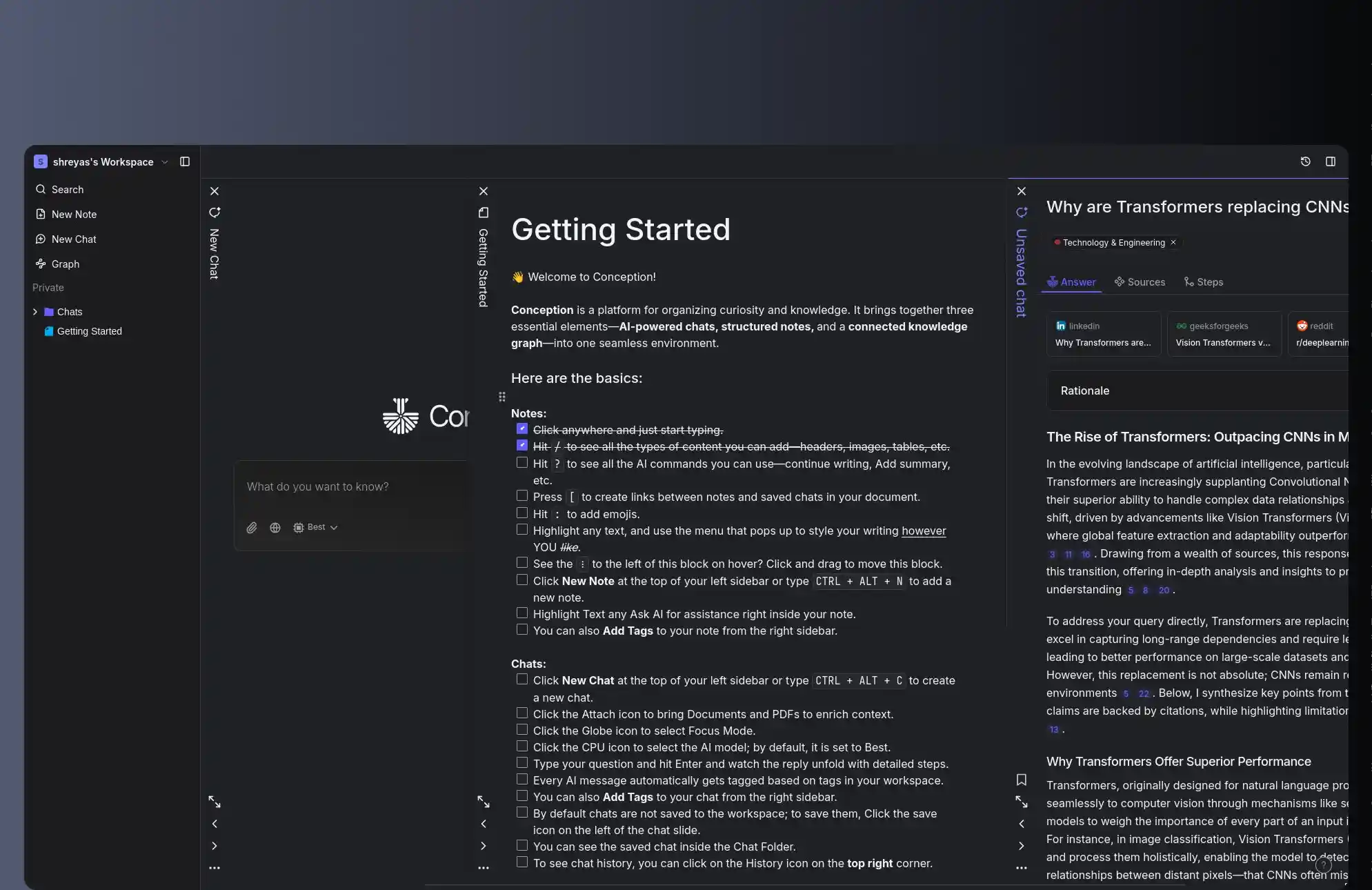
Conception: AI-Powered Knowledge Web App
Key highlights from this project:
- Web Application
- AI Integration
- Real-time
- Knowledge Management
A sophisticated web application combining real-time AI chat, intelligent document management, and visual knowledge mapping built to handle 25 simultaneous tabs, citation-backed AI search, and complex graph visualizations.
Explore moreExplore our full portfolio of work. View all projects
Whether you need a custom application, AI integration, or a complete digital transformation, our team has the expertise to bring your vision to life.
Ready to transform your vision into reality? Our expert team is here to help you build cutting-edge solutions tailored to your business needs.
Ready to Build Something Amazing?
Start a projectIndustry Insights
Explore our latest thinking on industry trends, technology innovations, and digital transformation strategies.
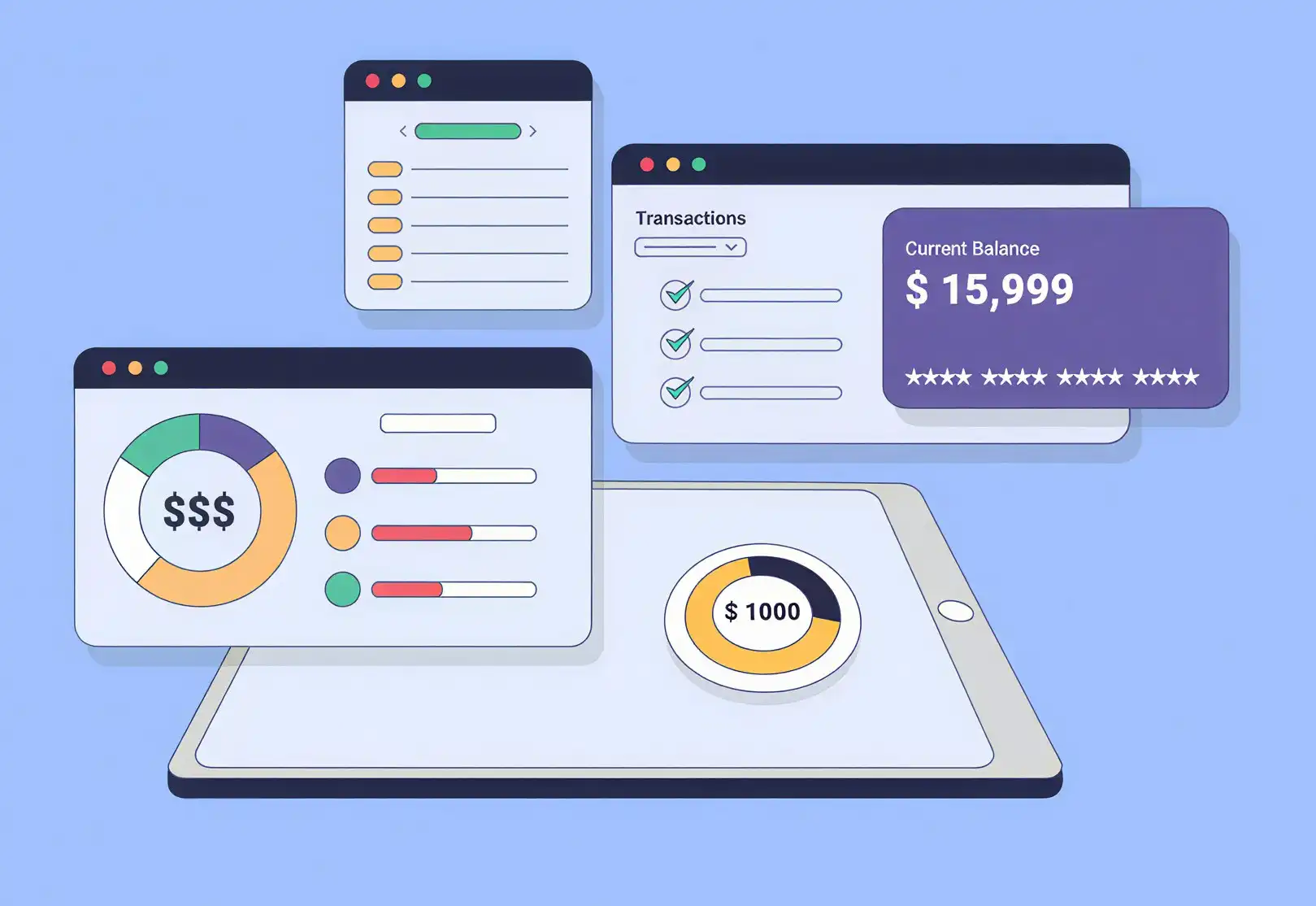
AI SaaS Pricing: How to Price AI Features Without Killing Your Margins
Per-seat pricing breaks the moment every AI query starts burning real compute - 84% of SaaS companies have already lost margin to AI costs, and some have watched gross margins go negative overnight. This guide breaks down five AI pricing models with real-world proof, a framework for pricing from your true cost-per-action up, and the five mistakes that quietly destroy AI margins - so you can price AI features for adoption without killing profitability.
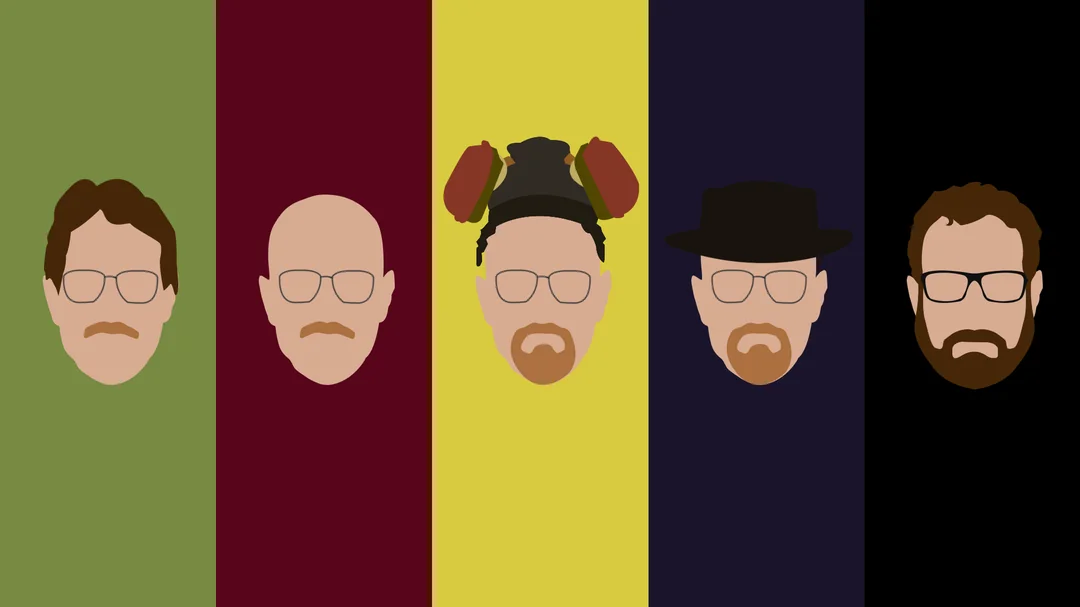
Say My Name: A Breaking Bad-Inspired Guide to SaaS Growth and Competitive Advantage
TAM, beachhead, switching costs, network effects, aggregators - the SaaS strategy terms founders nod along to until fundraising, a roadmap call, or plain survival depends on really understanding them. This guide breaks down the concepts that actually decide who wins, using Breaking Bad as the unlikeliest business-school case study you'll ever read. By the end, market sizing, moats, and business models won't sound like boardroom buzzwords anymore.

Architecting a SaaS Platform That Can Pass SOC 2, ISO 27001, and GDPR Later
Most security and compliance work is cheap if you do it early and painful if you wait. Nail these 12 architecture decisions from the start, and SOC 2, ISO 27001, or GDPR later will feel like paperwork - not a massive re-engineering project. Here's the playbook we use to make SaaS platforms compliance-ready from day one without slowing down the MVP.
Frequently Asked Questions
Timeline varies based on scope and complexity. A focused MVP typically takes 3-4 months, while a comprehensive platform could require 6-12 months or more. We provide detailed timeline estimates after understanding your specific requirements, and our agile approach ensures you see working software early and often.
We follow industry best practices including code reviews, automated testing, CI/CD pipelines, and regular QA cycles. Our teams use test-driven development where appropriate and maintain comprehensive test coverage. We also conduct security audits and performance testing before every major release.
Our expertise spans modern web and mobile technologies including React, Next.js, Flutter, Node.js, Python, and cloud platforms like AWS, GCP, and Azure. We also have deep experience with AI/ML frameworks, blockchain, and IoT. We choose the best technology stack based on your project requirements.
Yes, we offer comprehensive post-launch support and maintenance packages. This includes bug fixes, performance monitoring, security updates, and feature enhancements. Our support team is available to ensure your application runs smoothly and continues to evolve with your business needs.
We maintain transparent communication through regular standups, sprint reviews, and dedicated project channels on Slack or Teams. You'll have direct access to your development team and a dedicated project manager who provides weekly progress reports and handles any concerns promptly.
Start growing your business with us
Tell us about your project and we'll get back to you within 24 hours.